The Benefits of Welding Assessment for Boosted Security and Efficiency
Welding evaluations are vital for making sure that structures meet stringent industry criteria. They play a critical duty in recognizing flaws early, thus enhancing safety and security and lowering the threat of disastrous failures. Additionally, these examinations can cause considerable cost financial savings by stopping expensive repairs and downtime. As companies go for improved efficiency and dependability, the importance of a durable assessment procedure can not be overemphasized. What various other advantages might emerge from a dedication to detailed welding assessments?
Guaranteeing Conformity With Industry Requirements
Ensuring compliance with market standards is necessary for maintaining top quality and security in welding projects. Following established procedures not just secures employees however additionally boosts the longevity and performance of the end product. Welding assessments conducted at different phases of the procedure assistance recognize any type of inconsistencies from these standards, allowing prompt corrective activities. This aggressive approach minimizes the risk of failings that can result from low-grade workmanship.
Additionally, conformity with sector standards promotes trust fund amongst stakeholders, including clients, regulative bodies, and the labor force. It symbolizes a dedication to quality and responsible practices, which can result in boosted organization possibilities and an one-upmanship out there - API 650 Welding Inspection. Normal inspections additionally assure that strategies and products made use of line up with the most recent technical innovations and safety and security laws. Eventually, adherence to market requirements is not merely a regulatory requirement yet a keystone of top quality guarantee in welding jobs
Enhancing Security With Early Detection of Problems
While the primary objective of welding examinations often focuses on conformity, they play a vital function in enhancing safety by enabling the very early detection of problems. Identifying concerns such as incomplete fusion, splits, or porosity during assessments can considerably reduce the risk of tragic failings. Early detection enables for prompt interventions, ensuring that damaged welds do not jeopardize structural stability.
Furthermore, organized evaluations foster a society of security within companies by highlighting the relevance of quality assurance. This aggressive approach not only safeguards personnel but additionally safeguards the surrounding atmosphere. Normal assessments can disclose patterns in issue incident, permitting for modifications in welding strategies and training programs to attend to underlying concerns.
Welding assessments offer as a vital safeguard, reinforcing total safety and performance by determining issues prior to they escalate into significant hazards. This commitment to high quality straight adds to the longevity and reliability of welded structures.
Minimizing Prices by Preventing Failures
By executing complete welding inspections, companies can successfully lower prices related to failings and rework. The aggressive recognition of defects during the welding procedure decreases the risk of catastrophic failings that can result in costly fixings or replacements. Early discovery enables prompt interventions, which stops the escalation of small problems right into significant troubles that strain sources and budget plans. Additionally, by ensuring that welds meet defined criteria, companies can avoid hold-ups in task timelines triggered by the requirement for considerable rework or extra examinations later on while Continued doing so. This not only conserves cash yet additionally improves operational performance. In addition, a reputation for quality workmanship can lead to increased consumer fulfillment and repeat company, additional adding to financial stability. Generally, buying welding evaluations is a tactical strategy that promotes price savings while safeguarding the integrity of welded structures.
Improving Efficiency and Durability of Frameworks
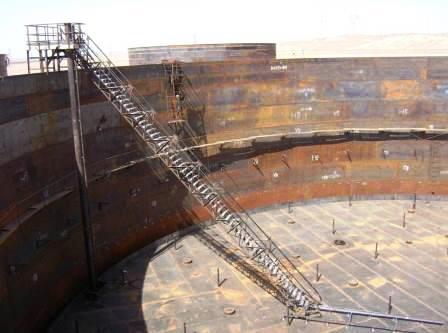

Welding assessments play a crucial function in boosting the performance and longevity of structures, as they confirm that welds are executed to the highest requirements. By identifying problems early in the welding process, inspections stop weaknesses that can compromise architectural honesty. This aggressive technique guarantees that the materials made use of fulfill needed specs, thereby maximizing their load-bearing ability and strength.
Furthermore, regular surveillance of welding techniques contributes to the total quality of building jobs. The potential for tiredness and failure over time is substantially lowered when welds are confirmed for compliance with sector criteria. Frameworks that are constructed with appropriately examined welds are likely to experience less upkeep issues and enhanced longevity.
Eventually, extensive welding evaluations not just bolster the immediate effectiveness of a framework about his yet also extend its operational lifespan, offering long-lasting value to both end-users and home builders alike.
Cultivating a Culture of High Quality and Integrity
A commitment to high quality and integrity in welding methods substantially adds to the overall success of building and construction tasks. They promote a society that urges meticulous interest to information and adherence to market standards when companies prioritize these worths. This culture not just enhances the skill level of welders however also promotes responsibility and teamwork among all stakeholders involved in the project.
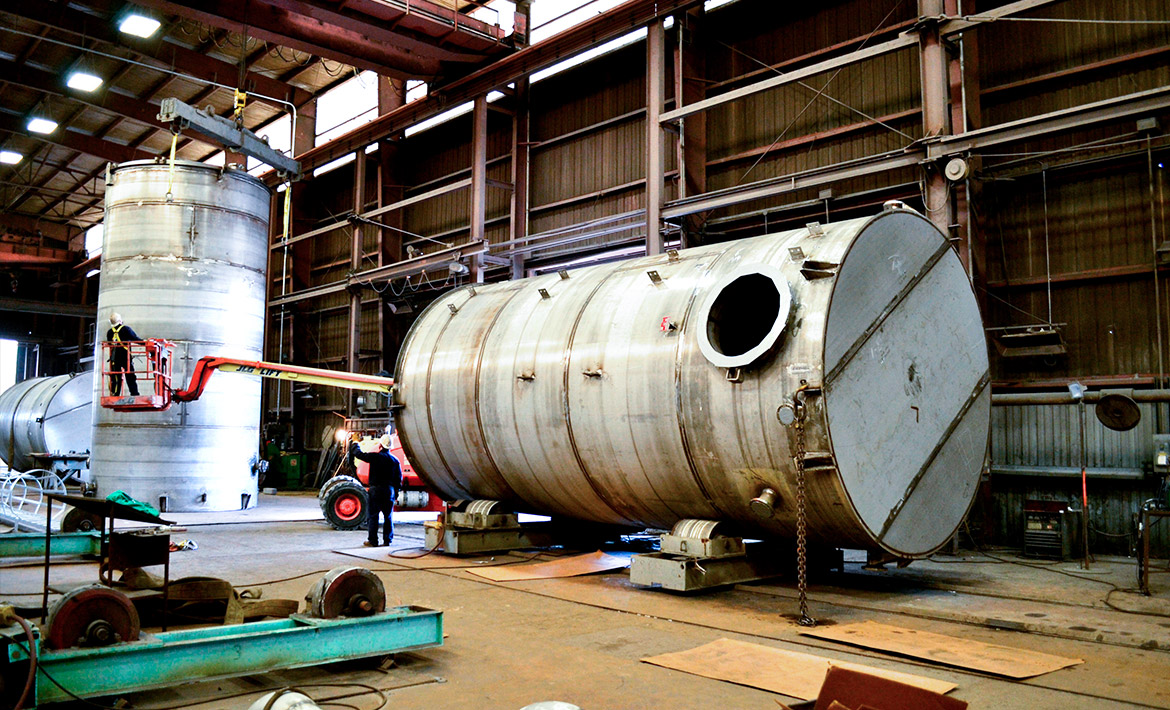
Regular welding inspections work as a cornerstone in this cultural shift, enhancing the significance of consistent performance and security steps (API 650 Welding Inspection). By applying strenuous assessment protocols, firms can recognize potential imperfections early, mitigating dangers and staying clear of pricey rework. In addition, a concentrate on quality and dependability instills self-confidence among companions and customers, bring about more powerful relationships and boosted reputations
Inevitably, cultivating a society of quality useful link and dependability in welding practices not just raises project end results however also ensures long-lasting sustainability and success in the construction sector.
Regularly Asked Inquiries
What Qualifications Should a Welding Examiner Have?
A welding inspector ought to have relevant accreditations, such as AWS CWI or CSWIP. In addition, they should have experience in metallurgy, welding procedures, and evaluation methods, in addition to solid analytical abilities and attention to information for reliable analyses.

Just How Often Should Welding Inspections Be Performed?
Welding inspections must be conducted consistently, ideally after each considerable stage of the welding process. Furthermore, regular inspections need to take place based on job demands, service problems, and regulative standards to guarantee ongoing high quality and security.
What Devices Are Utilized Throughout Welding Inspections?
Welding inspections utilize numerous devices, consisting of ultrasonic testers, magnetic fragment testers, aesthetic examination devices, and radiographic devices. Each tool serves a specific objective, making certain weld high quality and architectural integrity with complete assessment and analysis.
Can Welding Inspections Be Carried Out Remotely?
Welding examinations can certainly be performed remotely using sophisticated technologies such as drones and specialized cams. These devices enable examiners to examine welding quality and stability from a range, boosting efficiency and safety and security in various atmospheres.
What Are the Typical Kinds of Welding Problems?
Common kinds of welding flaws include porosity, splits, incomplete fusion, undercutting, and slag addition. These issues can jeopardize the stability and stamina of welds, bring about prospective failures in architectural applications if not attended to correctly.
Welding examinations are crucial for making sure that structures satisfy stringent industry criteria. Welding inspections performed at different phases of the process help recognize any type of variances from these requirements, enabling prompt rehabilitative activities. Welding evaluations play a crucial function in enhancing the performance and durability of structures, as they confirm that welds are performed to the greatest requirements. Welding examinations ought to be conducted routinely, preferably after each substantial phase of the welding process. API 650 Welding Inspection. Welding assessments use different tools, consisting of ultrasonic testers, magnetic particle testers, aesthetic examination tools, and radiographic tools
Comments on “The Future of API 650 Welding Inspection with Next-Generation Digital Methods Integration”